Selecting the right material is an important decision when designing or upgrading industrial infrastructure. Steel has traditionally been widely used, but Fiber Reinforced Polymer (FRP) has become an increasingly popular option for applications where corrosion resistance, low maintenance, and lightweight construction are important.
Corrosion Resistance
Steel can be vulnerable to rust and corrosion, particularly in environments exposed to chemicals, moisture, and saltwater. FRP provides excellent resistance to corrosion and does not rust, making it suitable for many aggressive industrial environments.
Weight and Installation
FRP is significantly lighter than many traditional structural materials. This can make handling, transportation, and installation easier, particularly for projects where access or lifting capacity is limited.
Maintenance Requirements
Because FRP is resistant to corrosion and many environmental conditions, it can require less maintenance than conventional steel components. This can help reduce maintenance activities and associated costs over the service life of the installation.
Where FRP Can Be Used
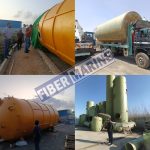
FRP can be used for industrial gratings, handrails, ladders, cable trays, piping systems, tanks, structural components, and reinforcement applications.
However, material selection should always be based on the specific application, loading requirements, chemical exposure, temperature, and relevant project standards.
Fiber Marine can help you identify the right FRP solution for your industrial or marine project. Get in touch with our technical team today.